Single stumps in lawns and beds
The stump left from an old removal, or the one from a tree we just took down, ground out so you can reseed, plant or lay a path across it.
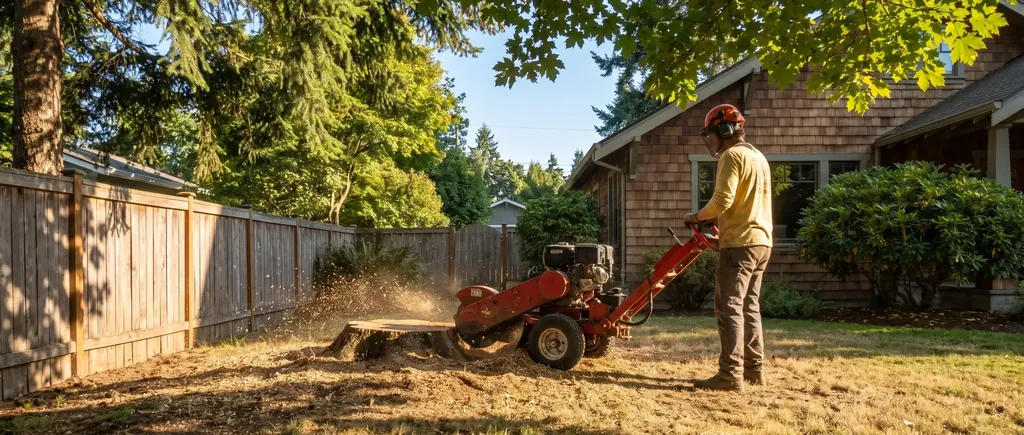
Stumps ground out under the soil line, the surface roots that catch the mower chased out, and the chips raked up or left for mulch. A flat patch of ground you can plant, seed or build a path over.
Ground out, not poisoned
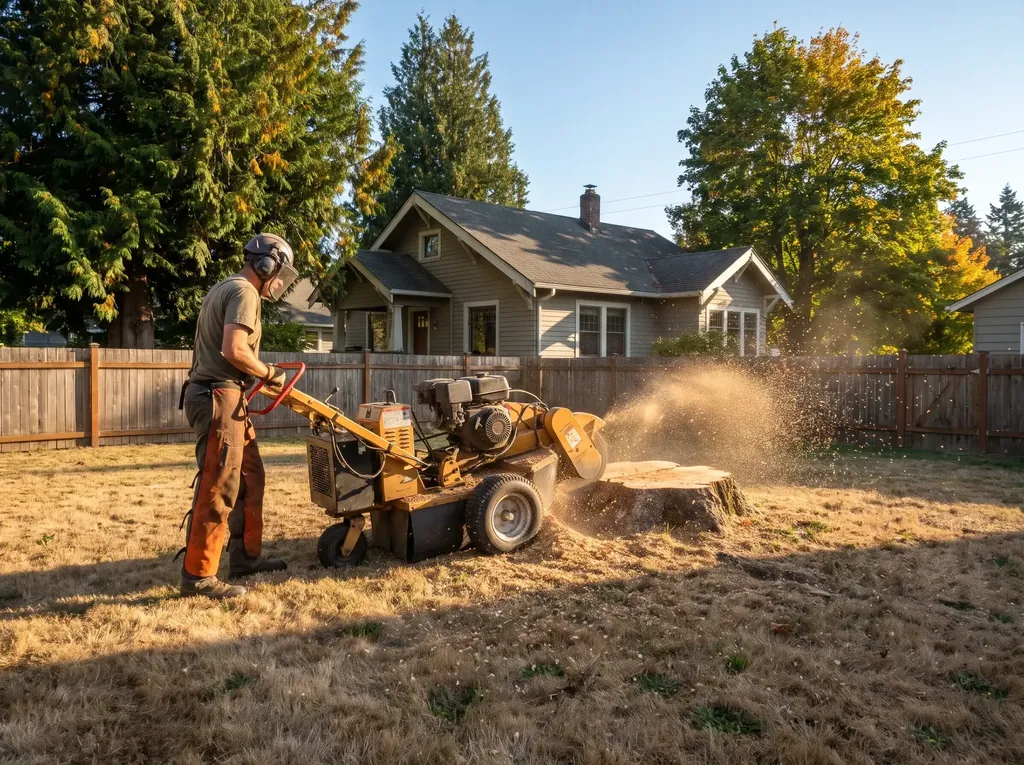
When a tree comes down, the stump stays. In a lawn it is something to mow around for years. In a bed it takes up the space you wanted to plant. And some of the most common trees around here do not take the hint: big-leaf maple, cottonwood, willow and English laurel will send up new shoots from a cut stump, so the tree you paid to remove starts growing back.
Stump grinding deals with that. A grinder is a heavy cutting wheel lined with teeth that chews the stump and the top of the root plate into chips, working back and forth until the wood is gone to a depth under the soil line. It is faster, cleaner and far less destructive than digging a stump out, which usually means an excavator, a crater and a lot of disturbed ground.
Grinding is not the right answer every time, and we will say so. On some Whatcom County properties you will find enormous old cedar stumps left from logging generations ago, some with the springboard notches still in them. Those are part of the history of the place, they hold slopes together and they are full of life. We would usually leave them. For a yard stump in the middle of the lawn, though, grinding is the tidy way to finish the job.
The stump left from an old removal, or the one from a tree we just took down, ground out so you can reseed, plant or lay a path across it.
Stumps along a fence line, an old hedge row or a cleared corner of the lot, ground in one visit. A row of laurel or arborvitae stumps from a removed hedge is a common job.
Roots that lift the lawn, catch the mower or trip people on a path, ground out back toward the stump. We will tell you if a root is still feeding a tree you want to keep, because cutting it could harm that tree.
Underground utilities located before we grind, and a look for irrigation lines, buried rocks, old fence posts and anything else that would damage the grinder or your property.
Most stumps go a few inches under the soil, enough for turf or a path. If you want to plant a tree or shrub in the same spot, we go deeper and wider. Tell us what you plan to do with the ground.
The grinder throws chips. We set guards around windows, cars and beds, and keep the work area roped off while we grind.
Left in the hole to settle, raked out and spread as mulch, or hauled away so you can backfill with topsoil. Grinding chips are mostly wood with some soil mixed in, and they make a good path or bed mulch.
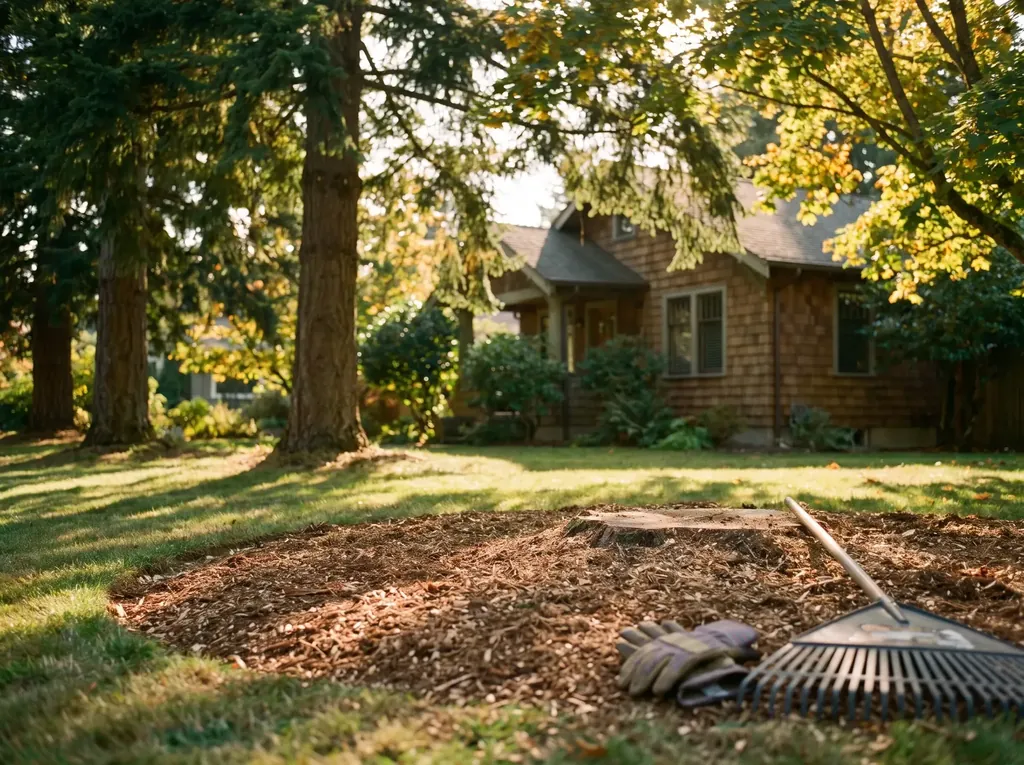
How many, roughly how wide across the top, and what is around them. A photo with something for scale, like a boot or a rake, is ideal.
We check the gate width, slope and ground, and give you a written price for the stumps you want done.
Underground utilities marked before the grinder goes anywhere near the ground.
Guards and shields placed, the area roped off, and ground protection laid on soft lawns if needed.
The stump ground down and the root flare chased out, to the depth agreed for the use you have planned.
Chips spread, left or hauled, the area raked level, and a word on how long the ground will take to settle.
We do not use chemicals. We do not spray stumps with herbicide or pour stump killers into drilled holes. Grinding removes the problem mechanically, and that is the only method we use.
We are honest about resprouting. Maple and laurel stumps can sprout from the edges of the stump, and cottonwood can send up shoots from roots well away from it. We grind wide enough to deal with most of it and will tell you if a few sprouts might need pulling in the first season.
We tell you when to leave a stump. An old cedar stump on a slope, or a stump in a wild corner that birds and insects are using, is often better left alone.
And we look after the yard. Guards up, gates closed behind us, and the area left raked and level.
Send a photo of the stump with something for scale. We will give you a straight price to grind it out.
We are only just starting to collect customer reviews. When we do, they will appear here in full, in our customers' own words.
The main roots stay in the ground and rot away over years, so the spot can settle a little and may need topping up with soil. Some species send up sprouts from roots outside the ground area for a season or two. The chips are high in wood, so planting straight into them is not ideal without mixing in soil. And grinding needs access for the machine, which can be a squeeze on tight lots. For most yard stumps, those are small trade-offs compared with digging the whole thing out.
It depends on where it is and what you want from the ground. In a lawn, a bed or a path, grinding is usually better: the stump is a trip hazard, a mowing obstacle and, for some species, a source of new shoots. In a wild corner, on a slope or in a woodland edge, leaving it can be better. An old stump holds soil, gives wildlife a home and costs nothing. We will tell you which we would do in your yard.
A stump in a used part of the yard gets in the way, catches mowers and trips people. Some species, including big-leaf maple, cottonwood and laurel, sprout vigorously from a cut stump, so the tree keeps trying to come back. Rotting stumps can attract carpenter ants and other insects, and they can host root rot fungi that are a concern near other trees. None of that is a reason to grind every stump on a property, but it is a good reason to grind the ones near the house and the lawn.
Around here the stubborn ones are the trees that resprout. Big-leaf maple, cottonwood and willow all push up shoots from a cut stump, and cottonwood from its roots as well. Young alder does too, though older alder stumps usually die. English laurel and holly are notorious for coming back after being cut, which is why grinding the stumps of an old laurel hedge matters. Conifers like Douglas fir and cedar do not resprout from a stump, so once they are cut, they are done.
Have the stump ground in the same visit as the removal so there is only one trip. Group several stumps into one job. Make access easy by clearing the way to the stump and telling us about gates and soft ground. And if you are happy to keep the chips as mulch, leaving them on site saves the time of hauling them away.
We grind stumps across Whatcom County: Bellingham, Ferndale, Lynden, Blaine, Everson, Sudden Valley, Birch Bay, Sumas, Deming and Custer, plus the rural ground between them.
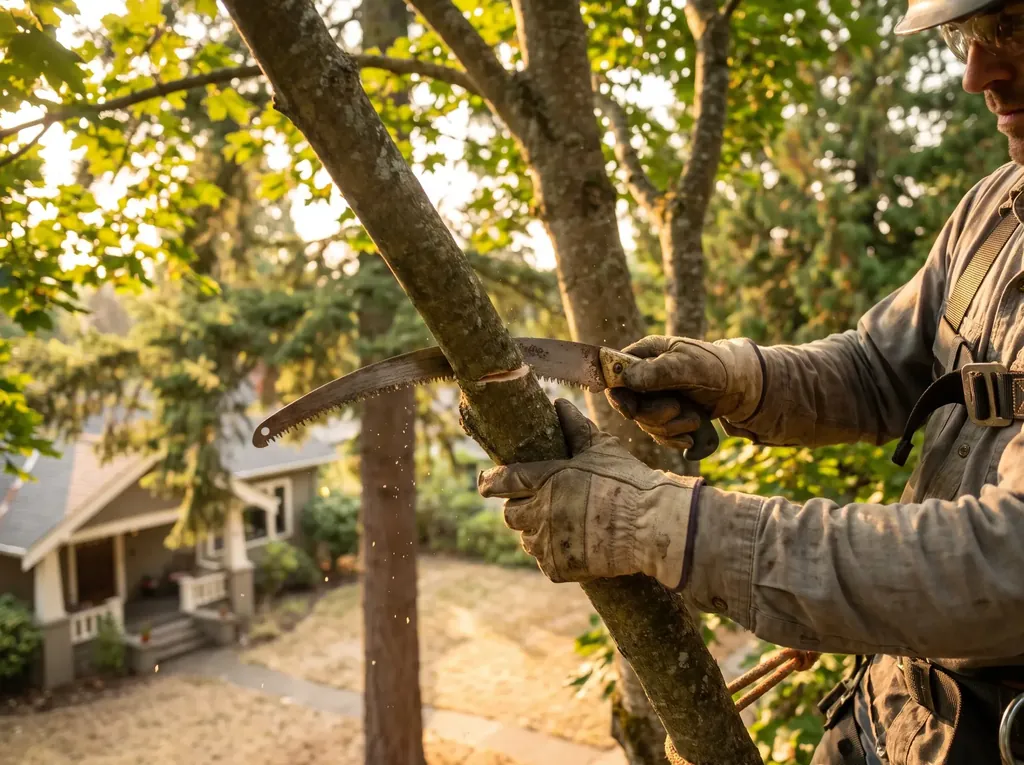
Deadwood out, crowns thinned, limbs cleared from roofs, houses and lines, every cut made where the tree can seal it off.
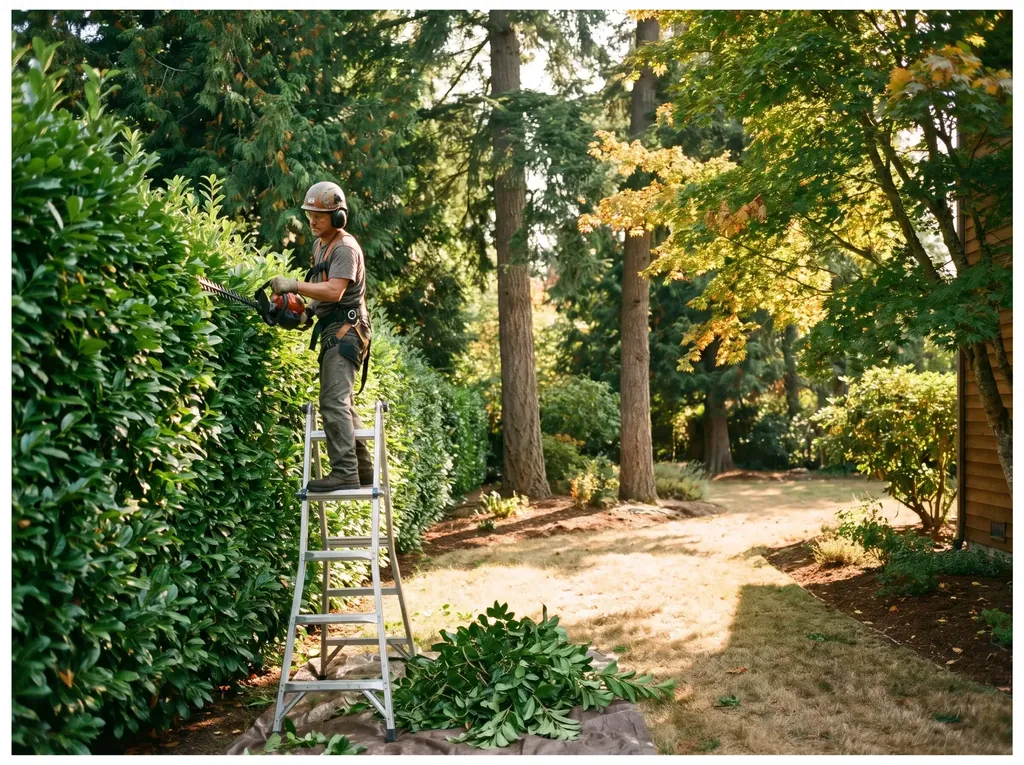
Laurel, arborvitae, holly and overgrown shrubs shaped, reduced or brought back from the brink.
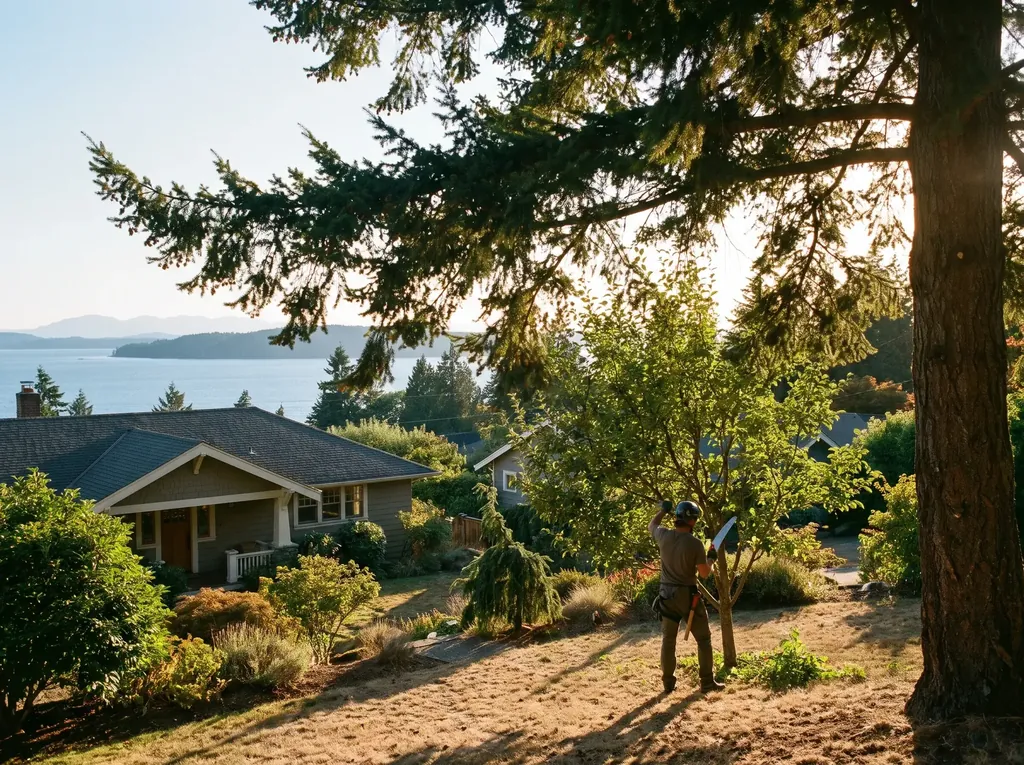
Selective thinning and windowing that opens a view of the bay or the mountains and leaves the tree standing.
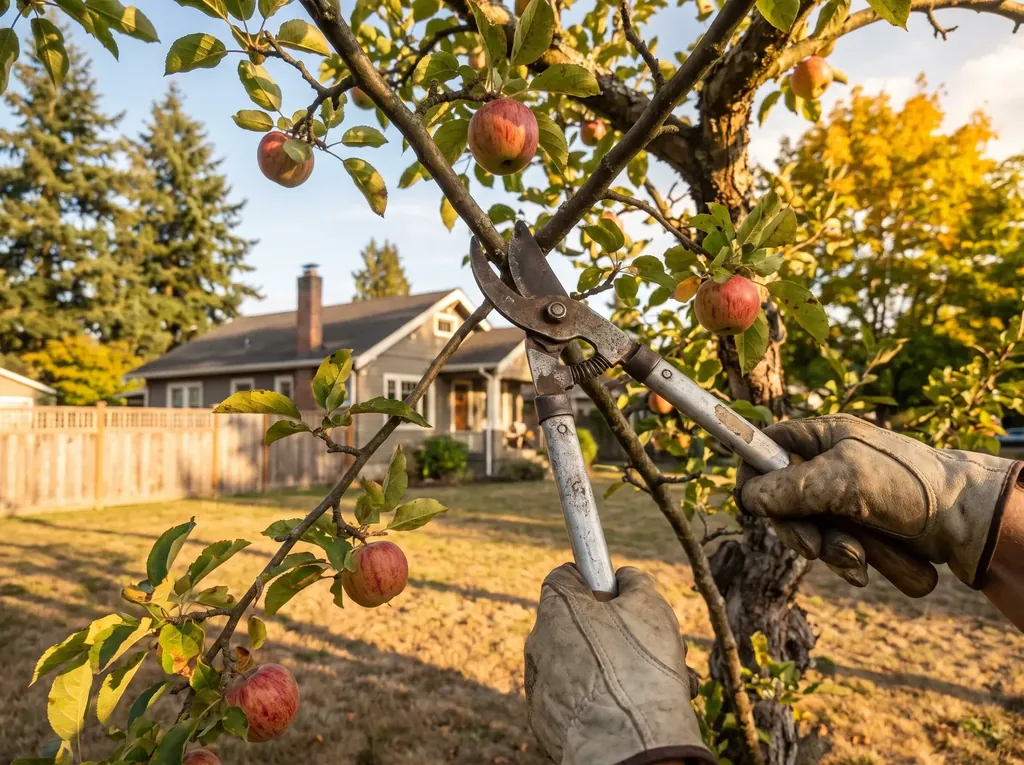
Apple, pear, plum and cherry pruned for structure, light and a better crop, including the neglected old ones.
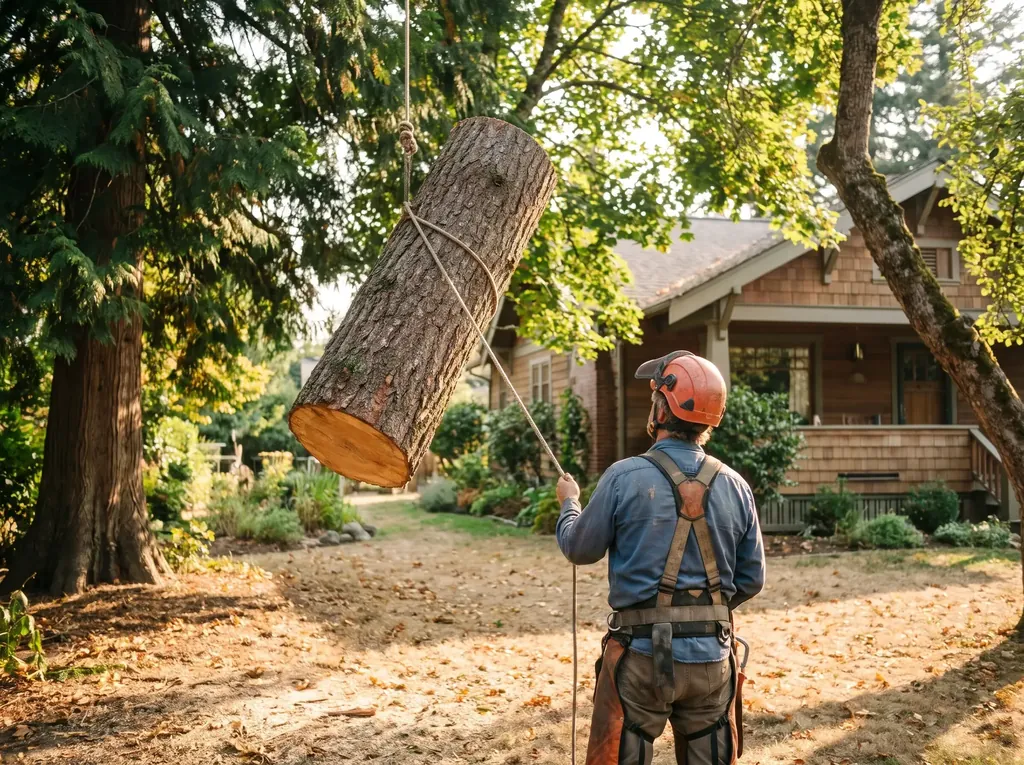
When a tree really has to go, taken down in sections where there is no room to drop it.
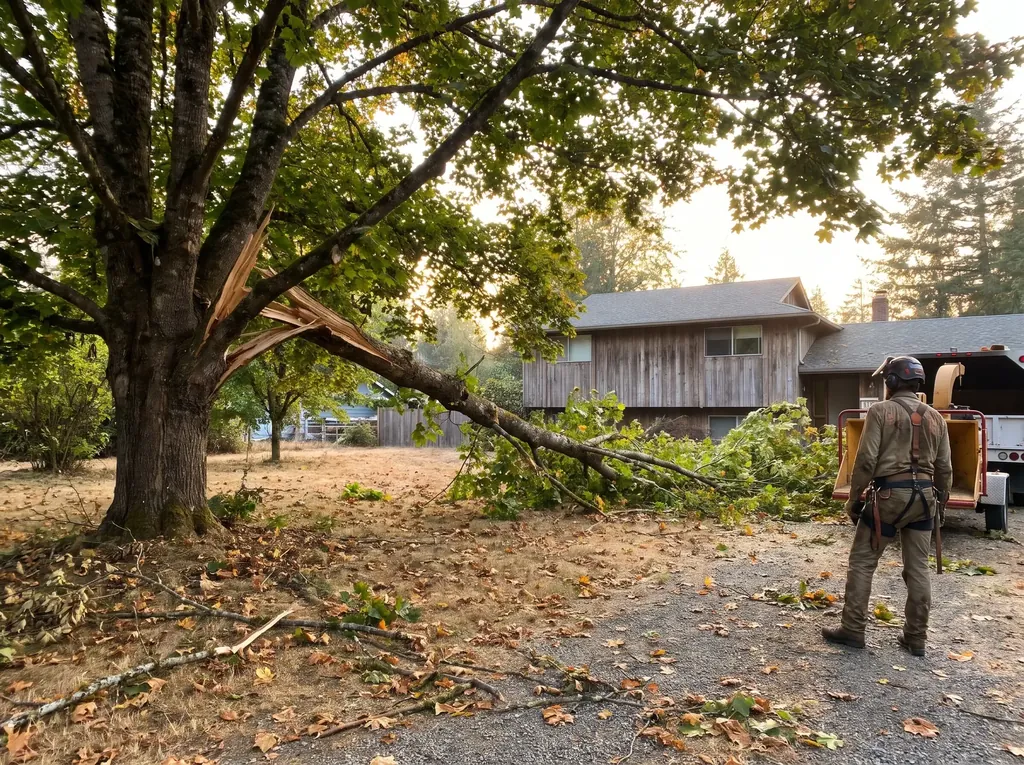
Broken limbs, hangers and trees down after a windstorm, made safe and cleared.
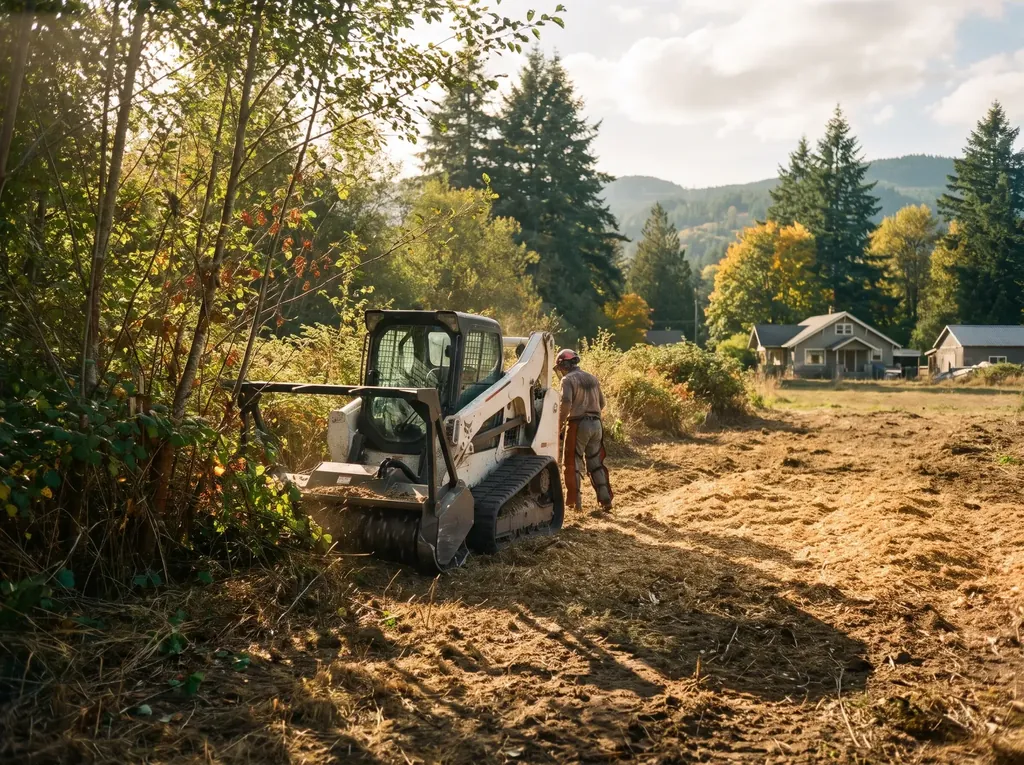
Overgrown lots and acreage cleared of alder, brush and small trees, including forestry mulching.
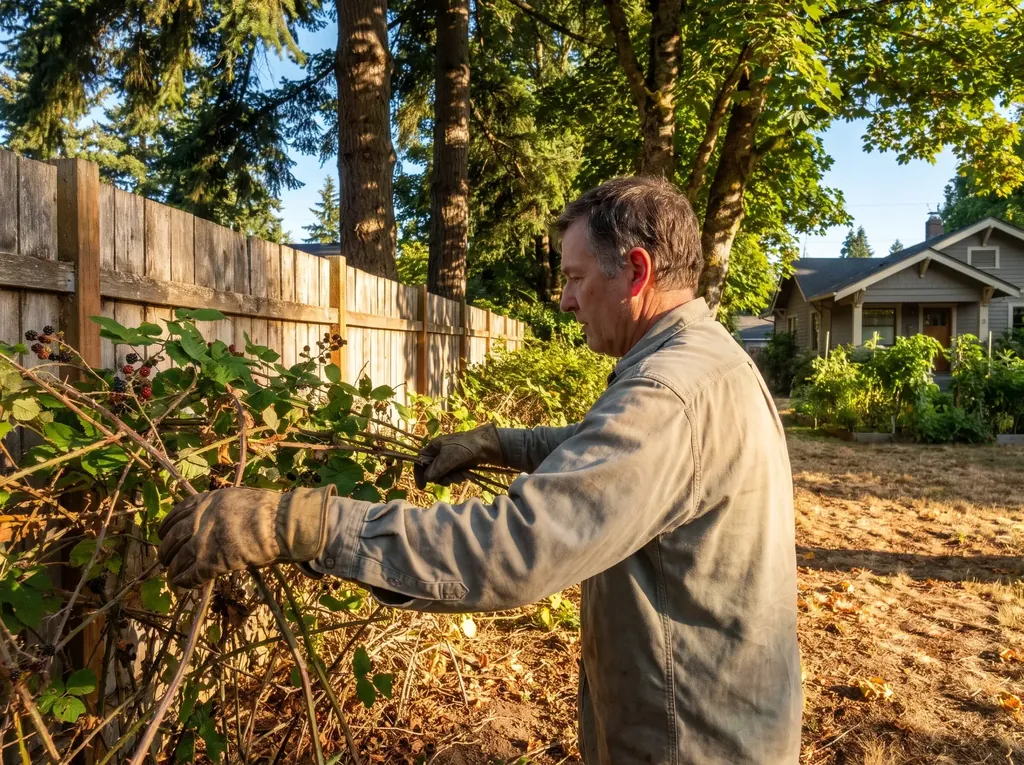
Himalayan blackberry, Scotch broom and invasive brush cut back and dealt with at the root.
Tell us how many stumps you have, roughly how wide they are, and what you would like to do with the ground afterwards. A photo with something for scale helps.
We will be in touch to set up a time to look at the tree. If it is urgent, call (360) 555-0137.
Nothing was sent. Please call (360) 555-0137 and we will set up your free estimate.